Gula Villan
est. 1880
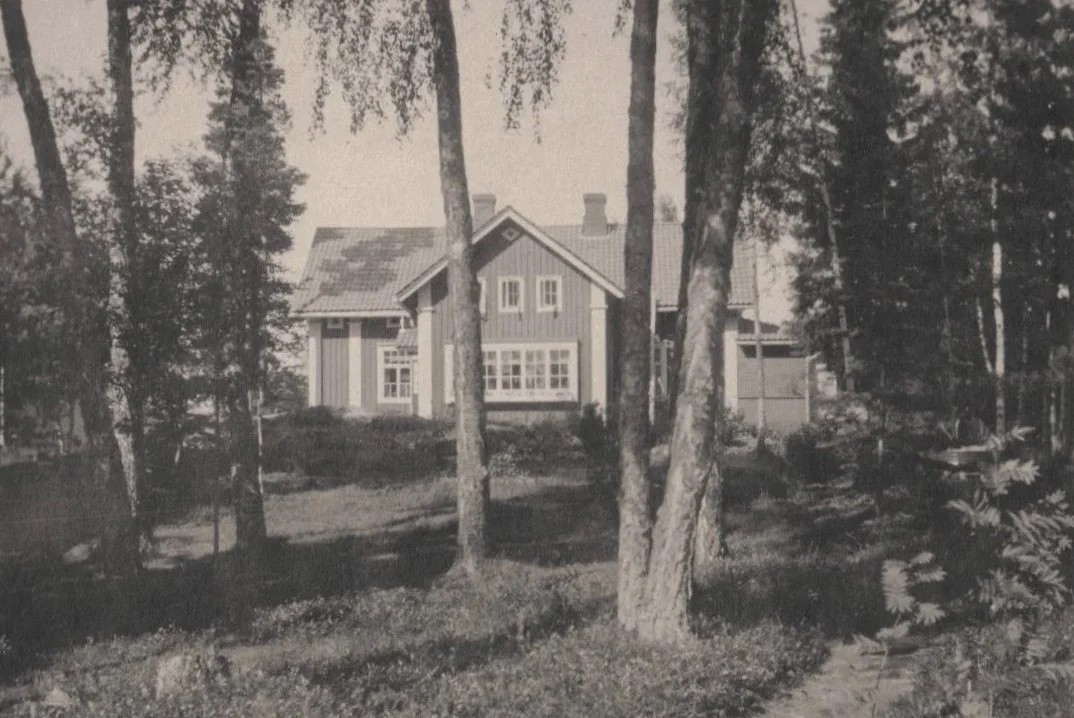
In August 1890, an exceptionally powerful storm—known as the August Storm—swept along the coast of the Gulf of Finland. Wind speeds reached up to 50 metres per second, and the storm felled trees across vast areas from Loviisa to Hanko. Timber sawn from these fallen trees later became the foundation for many of the original buildings on the island of Iso Vasikkasaari.
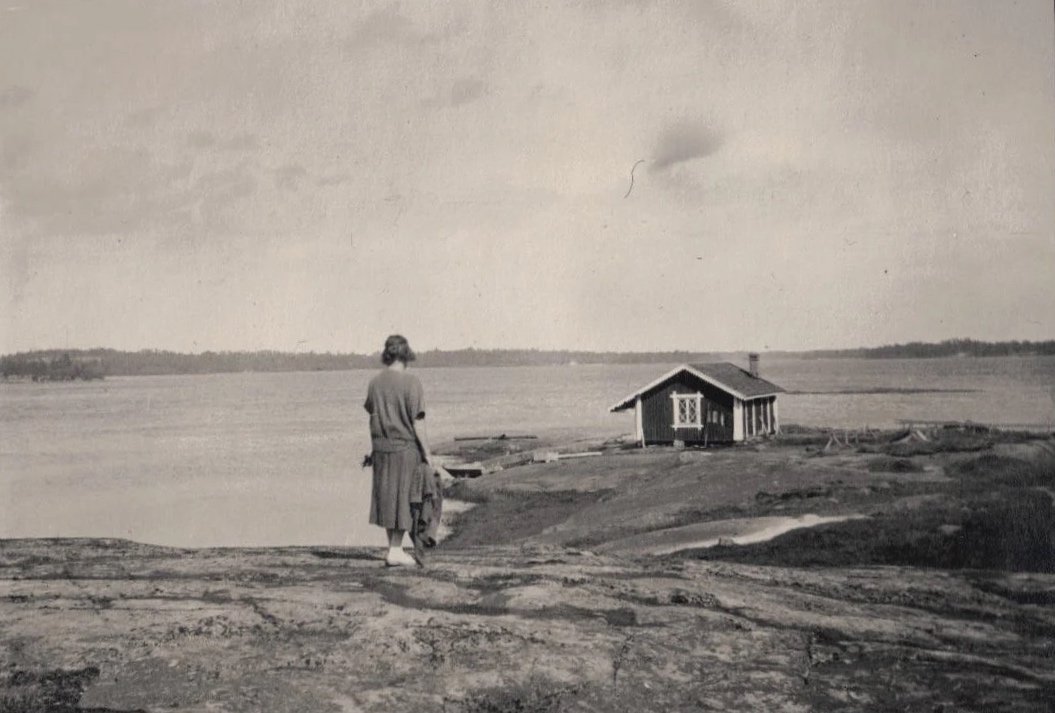
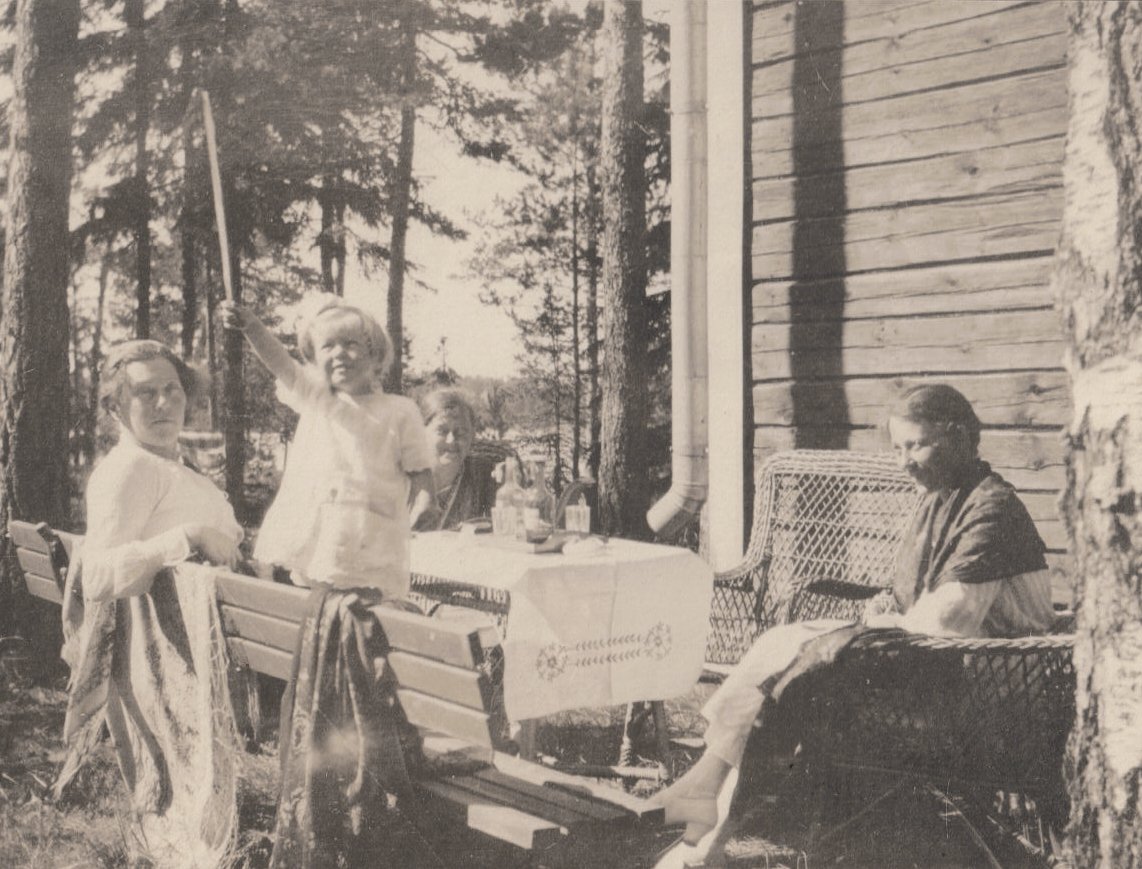

Before this, Iso Vasikkasaari belonged to the Gräsan Manor estate, and the island is known to have been home to fishing settlements as early as the 18th and 19th centuries. Life on the island long followed the rhythms of the sea and the changing seasons, forming part of the practical everyday life of the Espoo archipelago.
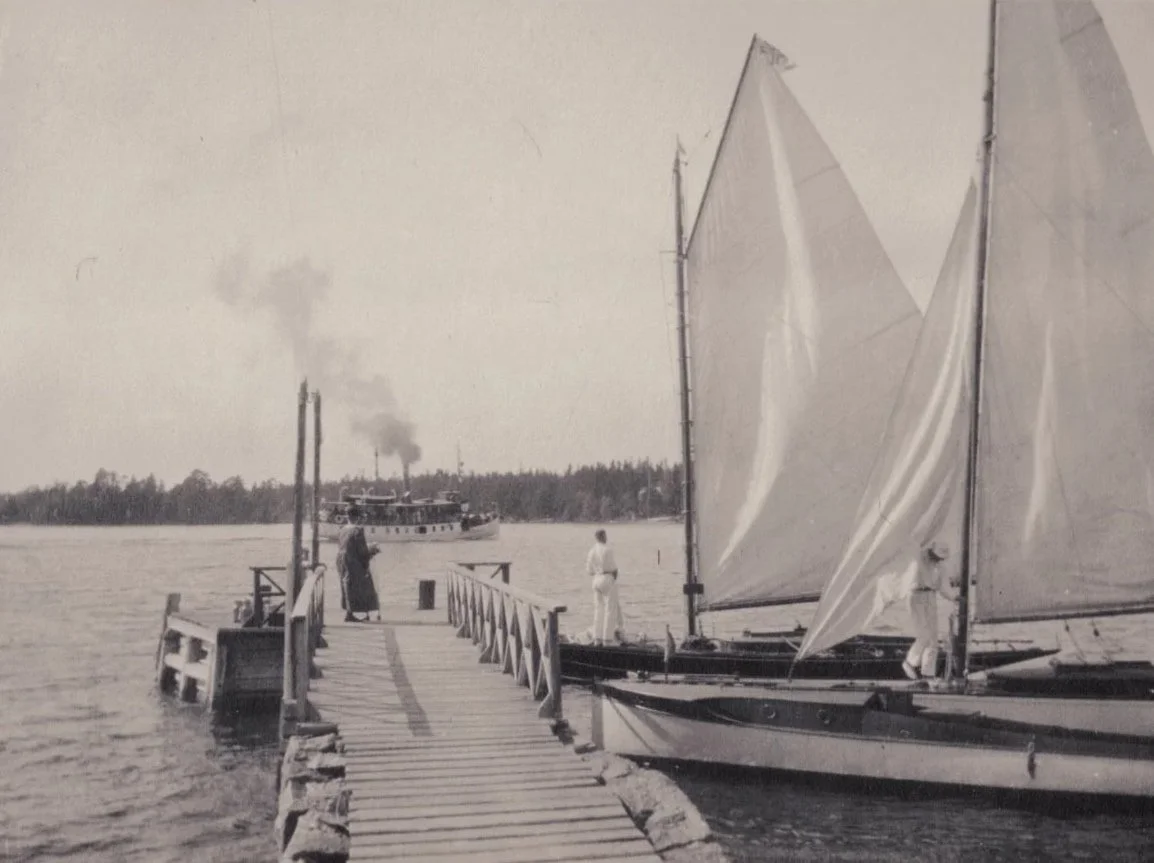
In 1877, the island was purchased from Gräsan Manor by bank owner Abel Landén, an influential figure who had been granted the title of Municipal Councillor by the Russian Tsar. During Landén’s time, the island began to take shape as a villa retreat. Röda Villan and the Baker’s Cottage (Leipurinmökki), along with their surrounding courtyards, were built in the eastern part of the island. From the villa’s terrace, a carefully laid garden path—bordered with white sand and seashells—led to a steamship pavilion, a connection that linked the island to the region’s lively maritime traffic.
Later, Landén divided the island into villa plots among his children. The southern part of the island was inherited by his son Alfons, for whom the ornate villa Castbourne was built near the present-day shoreline of Gula Villan. A fire destroyed the original building, after which a new Castbourne was constructed higher up the slope. In the early 1920s, a significant portion of the island, including the villa located west of Alfons’s property, passed into the ownership of the Nygren family.
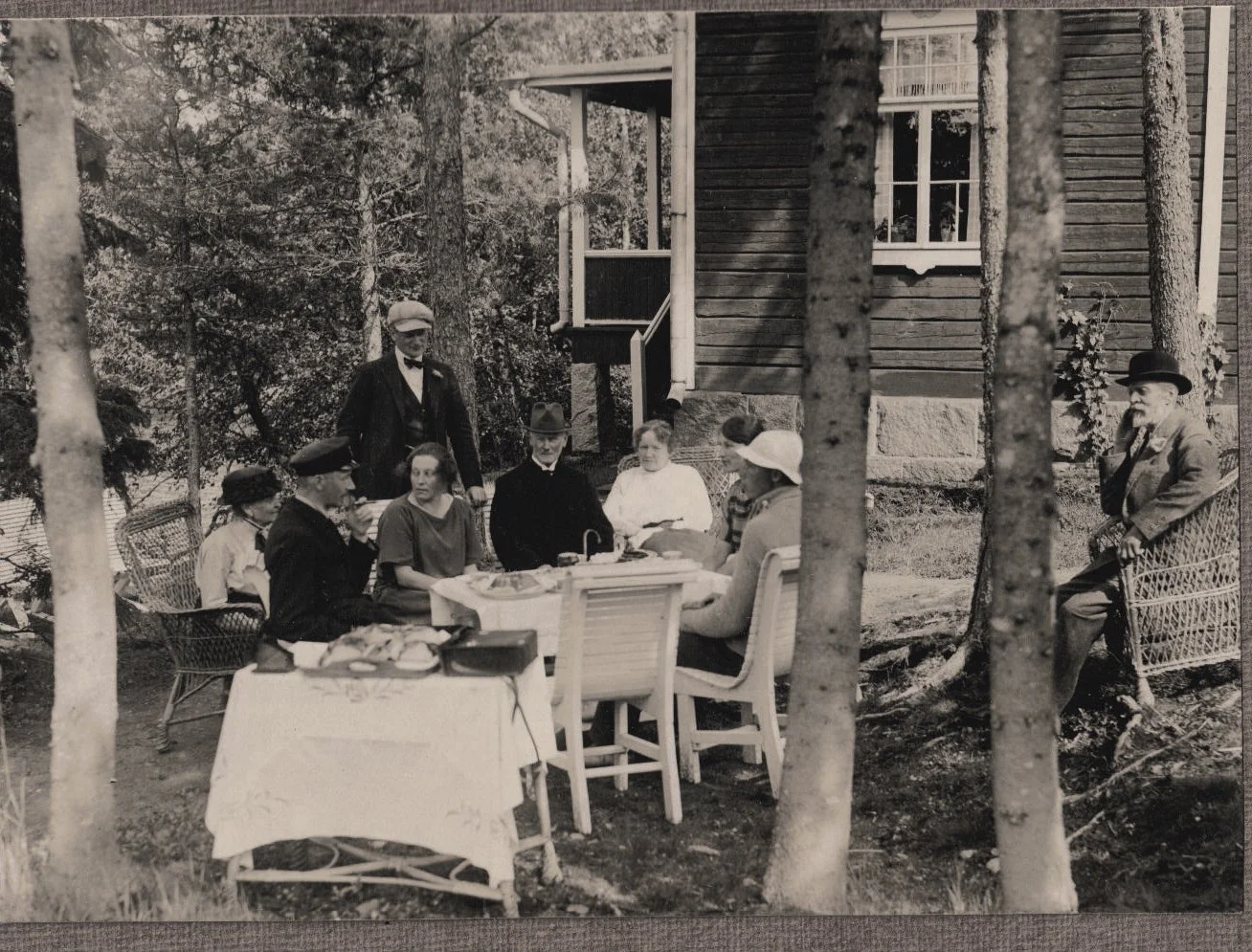
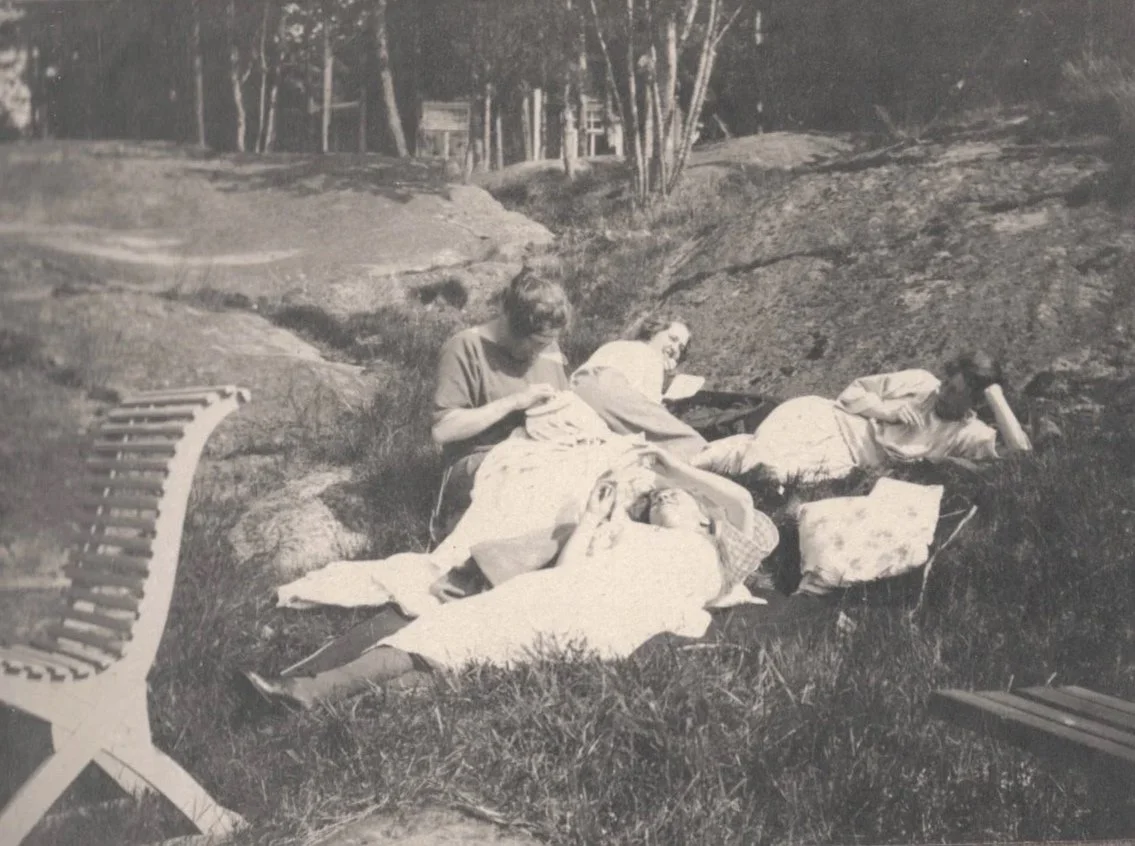
Under the Nygrens, the villa was renovated, a seaside terrace was added, and the building became known as Gula Villan. Life on the island was carefully organized and largely self-sufficient. The island employed a boatman, a gardener, a villa caretaker, and several maids, and daily life was spread across multiple buildings arranged around their own courtyards.
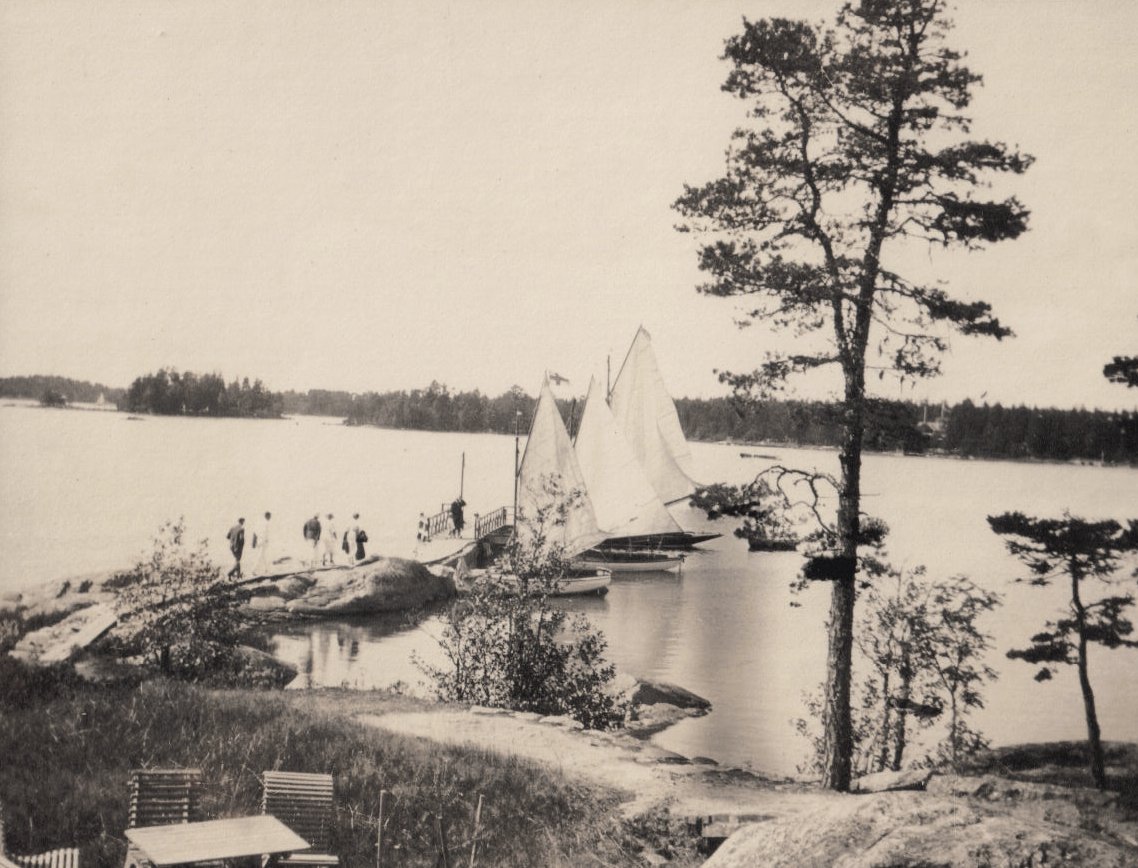
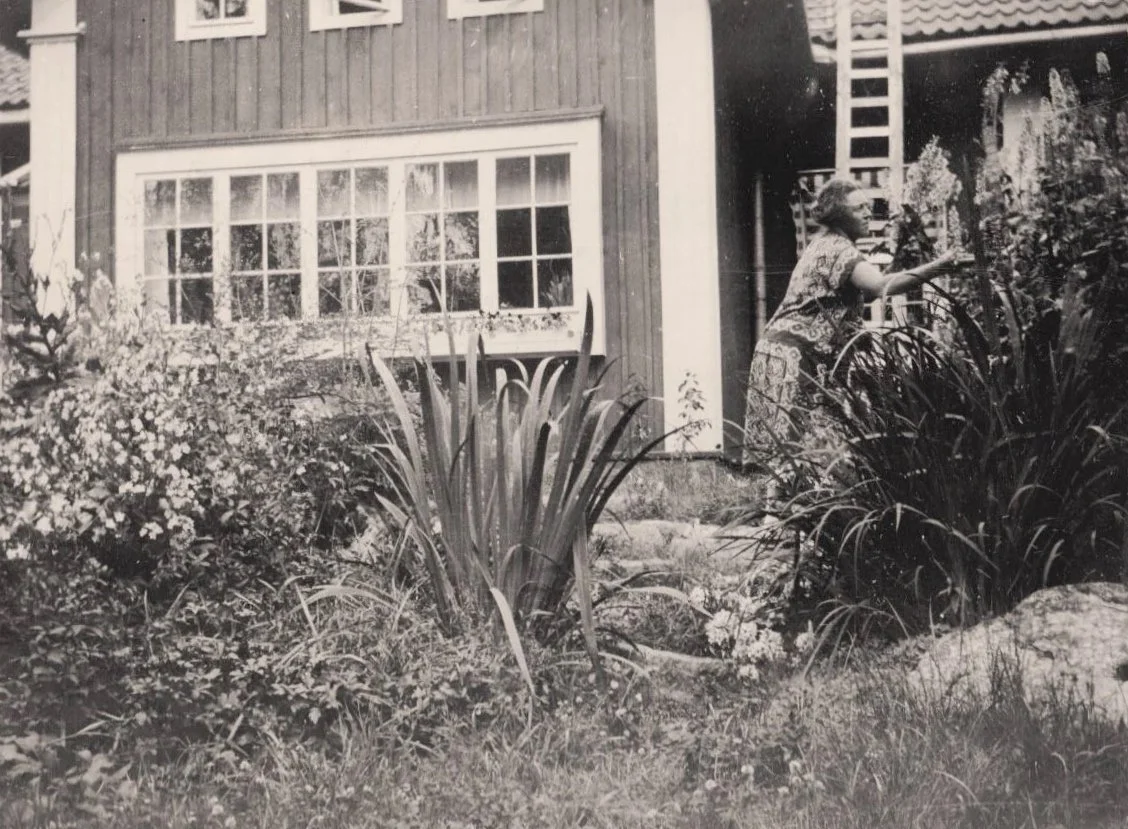
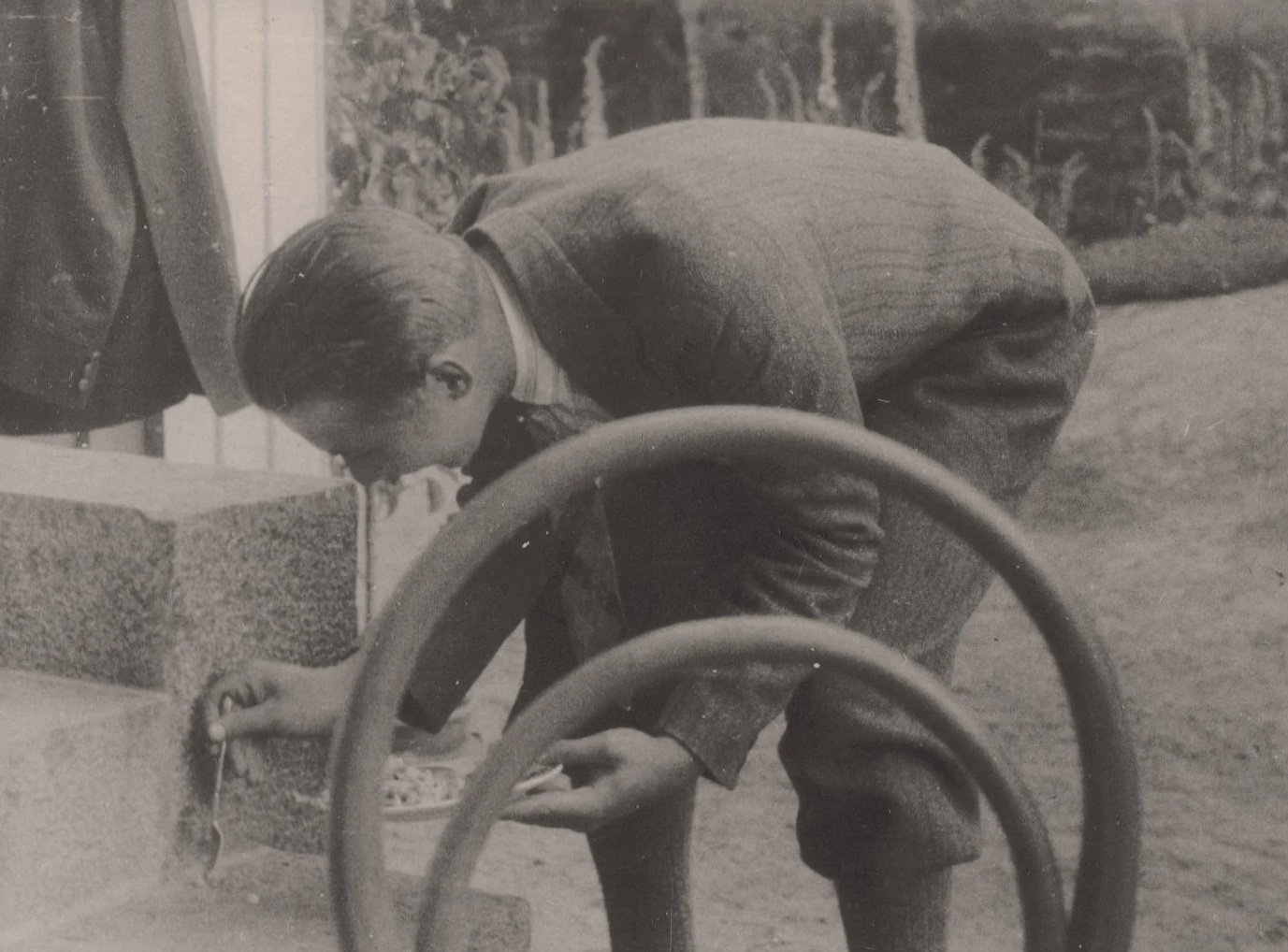
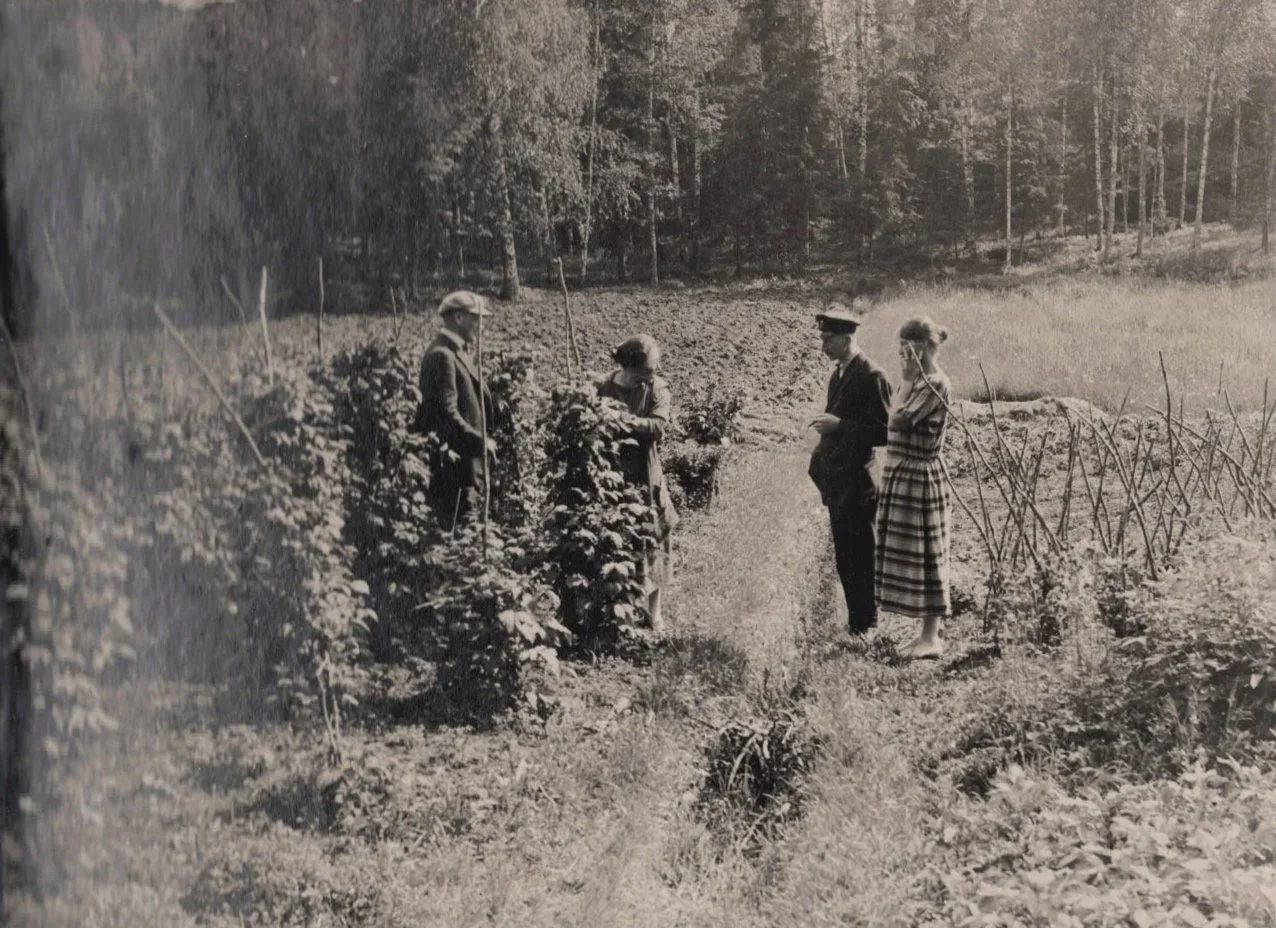
A storehouse was built along the shoreline of the villa, and a guard’s cottage was constructed behind it. Steamship traffic brought daily mail to the island and kept its connection to the mainland alive. Bread was baked in the Baker’s Cottage, linens were washed in the laundry cauldron of the servants’ quarters and finished in the mangle room. Fresh vegetables, berries, and flowers were harvested from the garden located at the heart of the island.
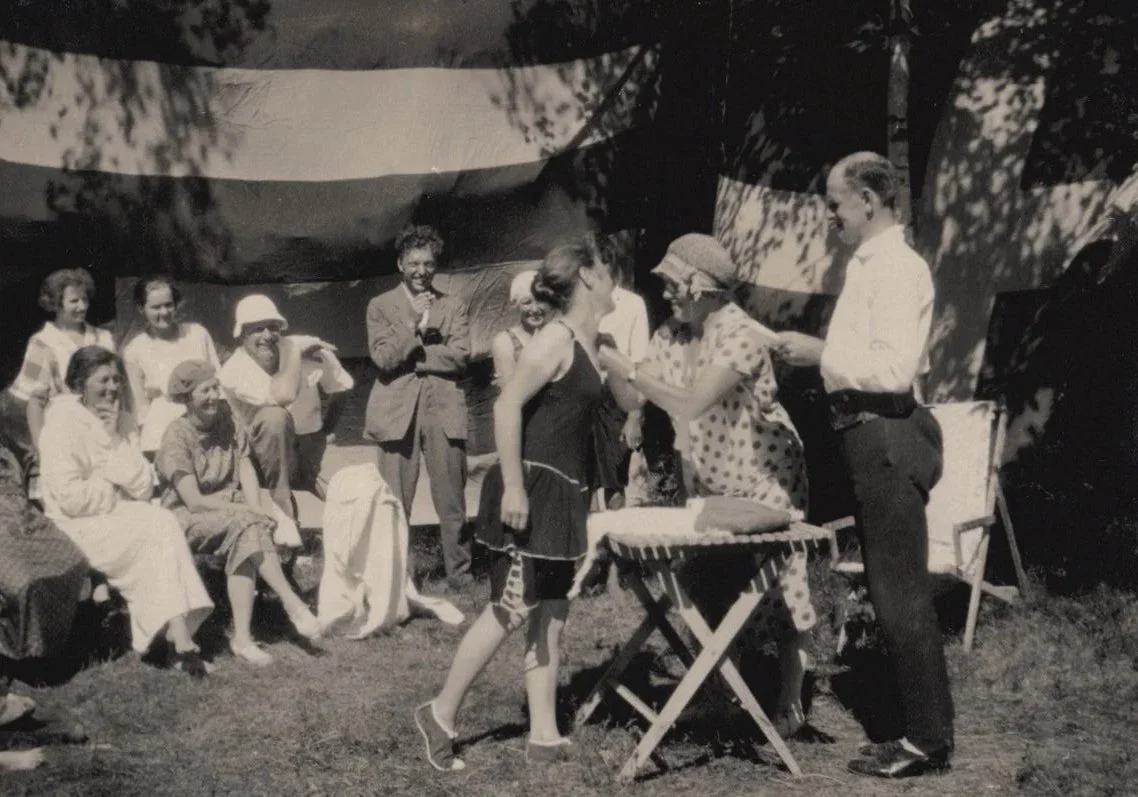
In winter, men cut ice into a large vaulted root cellar, where blocks of ice covered with sawdust retained their cool well into midsummer. In summer, communal celebrations—known as the “Olympics”—were held in Saunalahti, bringing together the villa residents and their guests.
In 1985, the Nygren family sold the Stora Kalvholmen estate to the City of Espoo. Gula Villan was restored and converted into a restaurant in 1998, with great respect for the building’s history and original spirit. Today, at Restaurant Gula Villan, visitors can still sense the villa life of the past century—a place where archipelago history, architecture, and togetherness meet.
Iso Vasikkasaari During Prohibition
Iso Vasikkasaari and the Espoo archipelago also played a significant role during the era of Prohibition, when liquor boats smuggled alcohol across the Gulf of Finland. The archipelago’s intricate geography—its sheltered bays and countless islands—created exceptionally favorable conditions for smuggling.
Prohibition came into force in Finland in 1919, banning the production, sale, possession, and consumption of alcohol. Enforcement proved particularly challenging in coastal areas, where the long shoreline and difficult-to-navigate archipelago offered countless hiding places. Iso Vasikkasaari was one of the locations known to have been involved in smuggling activity.
During the 1920s, chases, seizures, and arrests were reported off the coast of Espoo. Seasoned seafarers often knew the waterways and routes of the archipelago better than the authorities, and Prohibition left a lasting mark on the region’s history—not only through events, but through the lives of the people involved.